

Decor


Kitchen Table vs Island Seating: Which Is More Practical?
Choosing between a kitchen table and island seating is one of the most common layout decisions we see in Toronto homes, condos, and townhouses. Both options shape how you cook, eat, and gather every day, but they solve different problems. We believe the more practical choice depends on space, household size, and how you actually use your kitchen, not just how it looks in photos.
What a Kitchen Table Does Best
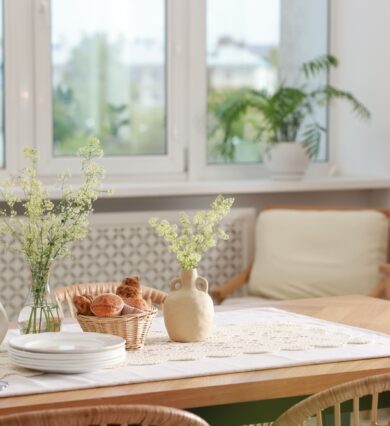
A kitchen table creates a dedicated place for meals, work, and conversation, and it remains the most flexible seating option for many households. Unlike built-in island seating, a table can move, expand, or change shape as your needs shift.
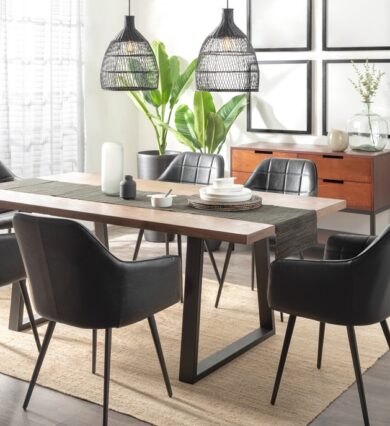
A table works especially well in eat-in kitchens or open layouts where the dining and cooking zones overlap. You can seat four to six people comfortably without worrying about knee clearance, counter height, or stool spacing. This matters if you eat together most nights or host family often. Chairs are easier for kids, older adults, and anyone who prefers stable seating with back support.
Another advantage is versatility. A kitchen table doubles as a homework station, laptop desk, puzzle surface, or casual meeting spot. When life changes, the table can change with it. You can swap chairs, add a bench, or upgrade to an extendable model without touching your cabinetry.
Where Island Seating Shines
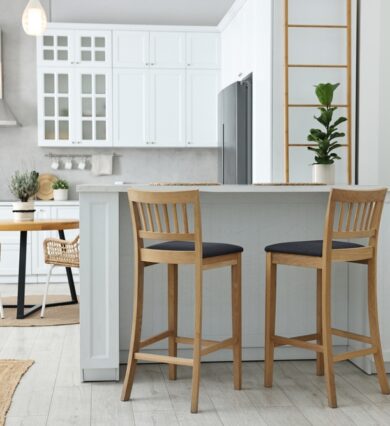
Island seating is designed for speed, convenience, and flow, especially in modern kitchens where counter space matters. It supports quick meals, coffee breaks, and social cooking without adding another piece of furniture to the room.
In many Toronto condos, island seating solves a real space problem. When square footage is tight, an island with stools can replace a table entirely. You keep sightlines open and maintain a clean, uncluttered feel. For singles, couples, or people who rarely host sit-down meals, this setup often feels efficient and intentional.
Island seating also supports interaction. Guests can sit and talk while meals are prepared, and parents can keep an eye on kids while working at the counter. For kitchens that already have a large island, adding stools is a low-effort way to increase seating.
Seating Comfort and Everyday Use
Comfort plays a bigger role than most people expect, and it often tips the balance toward a kitchen table. Tables use standard-height chairs that allow feet to rest flat on the floor, which encourages longer, more relaxed meals.
Island stools sit higher and require climbing up and down, which feels fine for short stays but less ideal for long dinners. Backless or low-back stools can also cause fatigue over time. This matters if you work from your kitchen or linger over meals.
If your kitchen is the heart of your home, where meals stretch into conversations, a table usually wins on comfort alone. If your kitchen is more about movement and quick stops, island seating fits that rhythm better.
Space Planning and Traffic Flow
The most practical choice always respects how people move through the kitchen. A table needs clear space on all sides so chairs can slide out, which typically means at least three feet of clearance. In smaller kitchens, this can disrupt walkways or crowd appliances.
Island seating integrates into existing circulation. Stools tuck in when not in use, keeping paths open. This makes islands appealing in narrow layouts or galley-style kitchens that open into living areas.
However, islands take up permanent floor space. If your kitchen cannot support a properly sized island with safe clearance around it, forcing island seating can make the room feel tight and awkward. In those cases, a compact table or round table often works better.
Family Size and Lifestyle
Household size should guide the decision more than trends. Families with children usually benefit from a kitchen table because it supports shared meals, projects, and routines. Tables make it easier to add seating as kids grow or guests drop by.
Island seating works best for smaller households or people who eat on the go. If most meals are quick breakfasts, takeout, or solo lunches, stools may be all you need. The kitchen stays streamlined, and you avoid dedicating space to a table you rarely use.
Entertaining style matters too. If hosting means casual snacks and drinks, island seating feels social and relaxed. If hosting means meals that last hours, a table provides the structure and comfort those gatherings need.